When a STEP file fails to import correctly in SolidWorks, CATIA, Creo, or another CAD system, the cause is often a schema mismatch - the STEP file uses a different AP (Application Protocol) version than the target application expects. Converting the STEP file to the correct schema version resolves the compatibility issue without changing the geometry.
This guide shows how to convert STEP file schema versions between AP203, AP214, and AP242 in five steps using Autoconverter. No CAD software installation required.
STEP Schema Versions Explained: AP203, AP214, AP242
STEP files identify their schema in the first line of the file - the FILE_SCHEMA entry. Different CAD systems were developed against different AP versions, which is why a file that opens fine in one tool fails in another:
- AP203 - the original STEP standard for 3D solid geometry and assembly structure. The most widely supported version - accepted by virtually every CAD tool. Use this as the safest fallback when a specific version isn't required.
- AP214 CD - automotive industry extension of AP203, adding color, layer, and configuration management data. CD (Committee Draft) is the earliest AP214 variant.
- AP214 DIS - Draft International Standard version of AP214; more widely supported than CD across automotive CAD tools.
- AP214 IS - the final International Standard version of AP214; the standard for automotive CAD data exchange (used by CATIA, NX, and tier-1 automotive suppliers).
- AP242 DIS - the modern successor to both AP203 and AP214, adding support for PMI (Product and Manufacturing Information), GD&T annotations, composite design data, and 3D manufacturing information. Required by aerospace and defense programs adopting Model-Based Definition (MBD).
How to Convert STEP Schema Version: Step-by-Step
📥 Download and Install Autoconverter
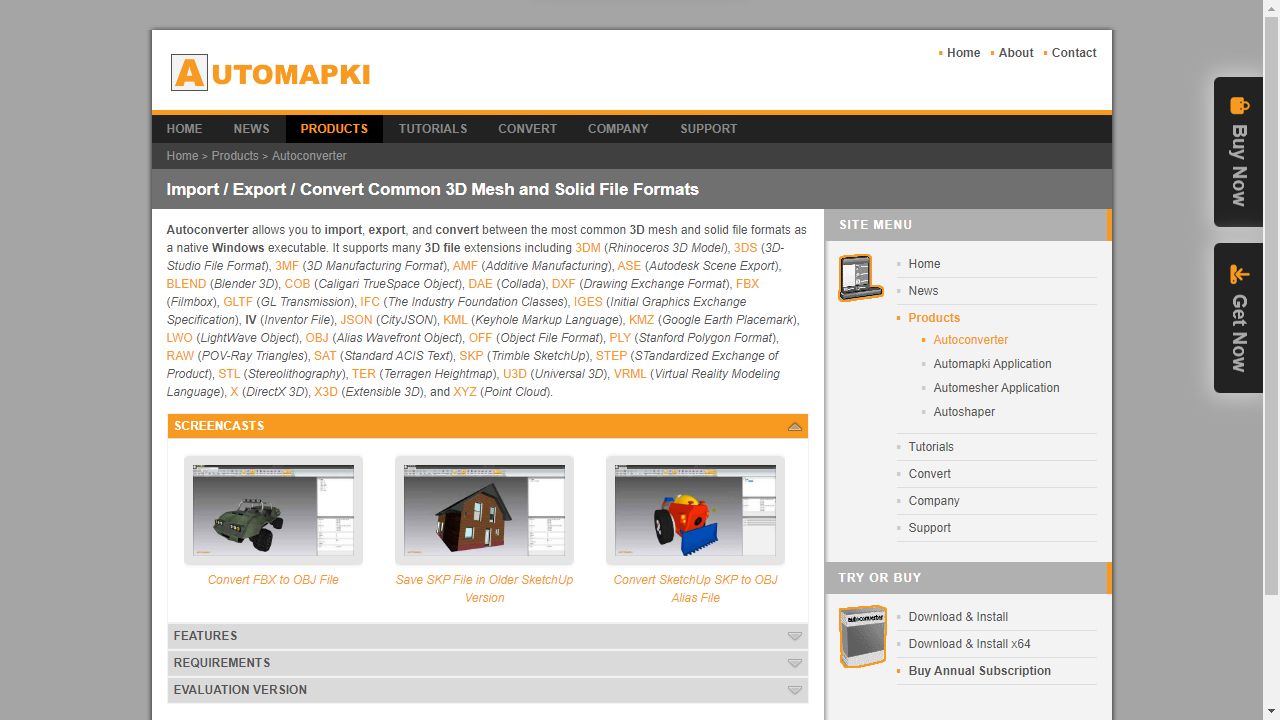
Download Autoconverter and install it on Windows. It reads and writes all STEP schema versions natively - no SolidWorks, CATIA, or other CAD software required.
🚀 Launch Autoconverter
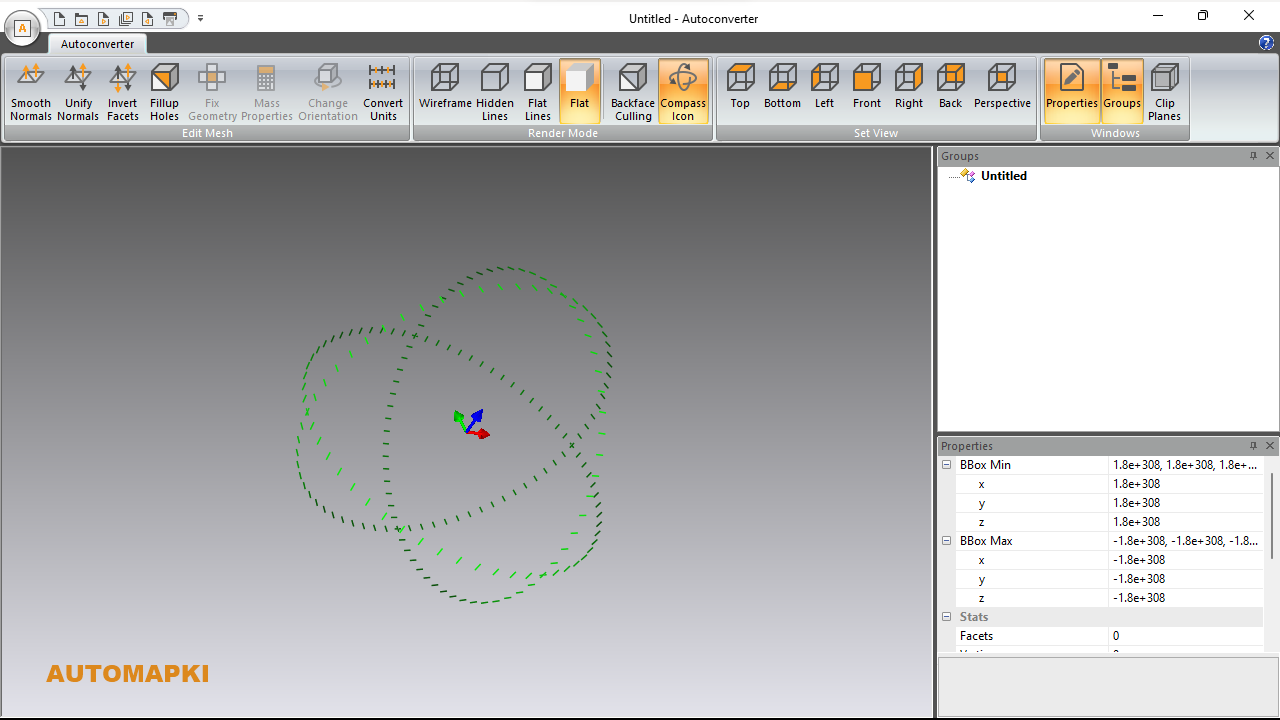
Open Autoconverter from the Windows Start menu. You will use the Convert File Version… function, which changes the STEP schema without going through a geometry re-export - all solid body data is preserved exactly.
📂 Open Convert File Version
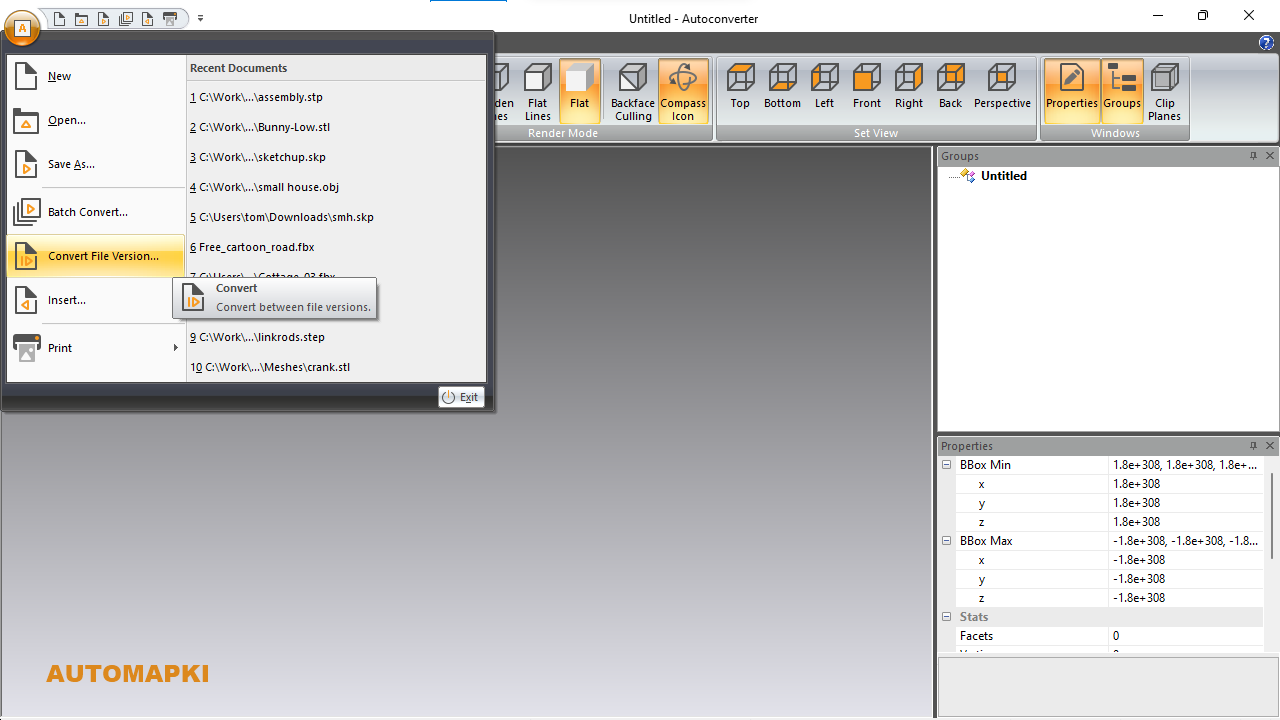
Go to File > Convert File Version…. This function converts the STEP file's schema declaration while preserving all geometry, assembly structure, colors, and attributes. It is the correct approach for schema conversion - not File > Open followed by Save As, which processes the geometry through the full import/export pipeline.
🔍 Select Source and Output STEP Files
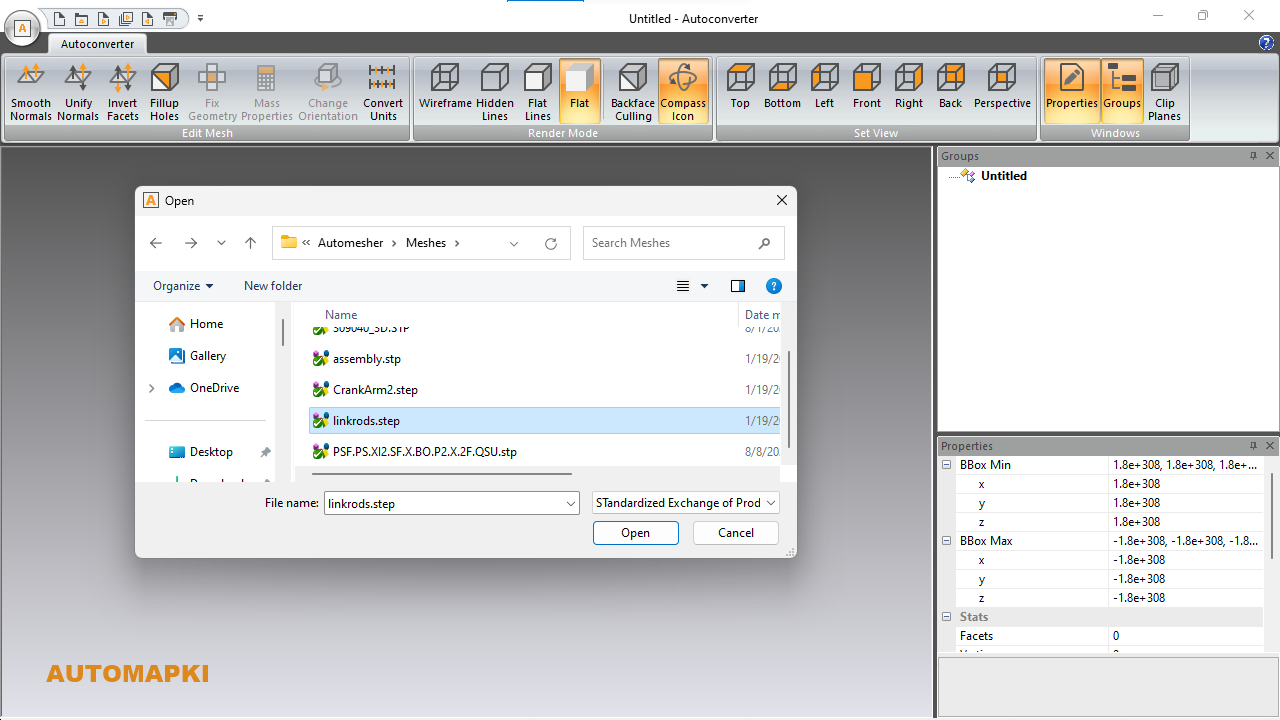
Browse to your source STEP file (.stp or .step). Specify a new output filename - saving to a new name preserves the original file, which is recommended practice since schema conversion is not always reversible without data loss.
🎛️ Choose the Target STEP Schema
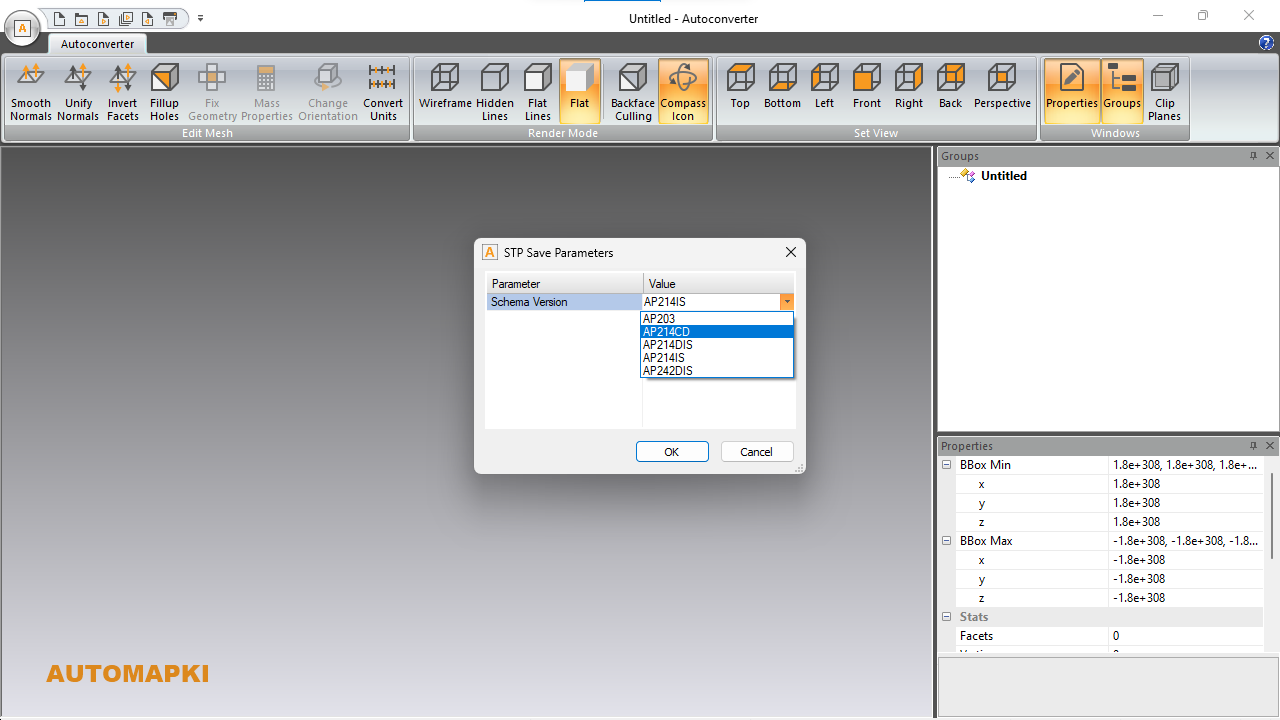
In the STEP Save Parameters dialog, select the target schema version:
- AP203 - use for maximum compatibility; accepted by all CAD systems that support STEP
- AP214 CD - use for legacy automotive tooling that specifically requires early AP214
- AP214 DIS - use for automotive workflows requiring draft international standard AP214
- AP214 IS - use for automotive CAD exchange (CATIA, NX, automotive supplier pipelines)
- AP242 DIS - use for aerospace/defense MBD workflows requiring PMI, GD&T, and 3D manufacturing data
Click OK to run the conversion. The output STEP file is saved with the new schema declaration in its header.
Frequently Asked Questions
-
Will converting the STEP schema change the geometry?
No. Schema conversion using the Convert File Version function changes the schema declaration in the STEP file header and adjusts entity identifiers accordingly, but does not modify the geometric data. Solid bodies, assembly structure, colors, and layer data are preserved. However, features introduced in newer schemas (such as PMI annotations in AP242) may not be representable in older schemas like AP203.
-
How do I find out which schema version my STEP file uses?
Open the STEP file in a text editor - it is plain text. The first few lines contain the FILE_SCHEMA entry, which explicitly names the AP version (e.g., FILE_SCHEMA(('AUTOMOTIVE_DESIGN { 1 0 10303 214 1 1 1 1 }')) for AP214 IS). This is the definitive way to identify the schema.
-
What is the difference between AP214 IS and AP242?
AP214 IS is the established standard for automotive CAD data exchange, covering geometry, colors, layers, and configuration management. AP242 is its modern successor and superset - it adds support for PMI/GD&T annotations, composite design, kinematics, and 3D manufacturing information required for Model-Based Definition workflows. If both schemas are accepted, AP242 is the more capable choice for complex data.
-
Is there a free trial?
Yes. The free evaluation version of Autoconverter supports up to 10 file conversions. The full licensed version provides unlimited conversions and batch processing.
Summary
STEP schema version mismatches are a common cause of CAD import failures. Autoconverter converts STEP files between AP203, AP214 (CD, DIS, IS), and AP242 DIS in five steps using the Convert File Version function - preserving all geometry without re-export. AP203 is the universal compatibility target; AP214 IS is the automotive standard; AP242 DIS is required for MBD and PMI workflows.
👉 Ready to convert? Download Autoconverter and try it free for up to 10 conversions.