Need to convert an STL mesh file into a solid model for use in professional CAD workflows? STL is the standard format for 3D printing and scanning - but its polygonal mesh structure makes it incompatible with most CAD editing, engineering analysis, and manufacturing operations. Autoshaper solves this by automatically reconstructing your STL mesh into a smooth, editable solid using NURBS surface fitting, then exporting it as STEP, IGES, or 3DM.
This step-by-step guide walks you through the complete STL to solid conversion process from installation to export.
How to Convert STL to Solid Model: Step-by-Step
📥 Download and Install Autoshaper
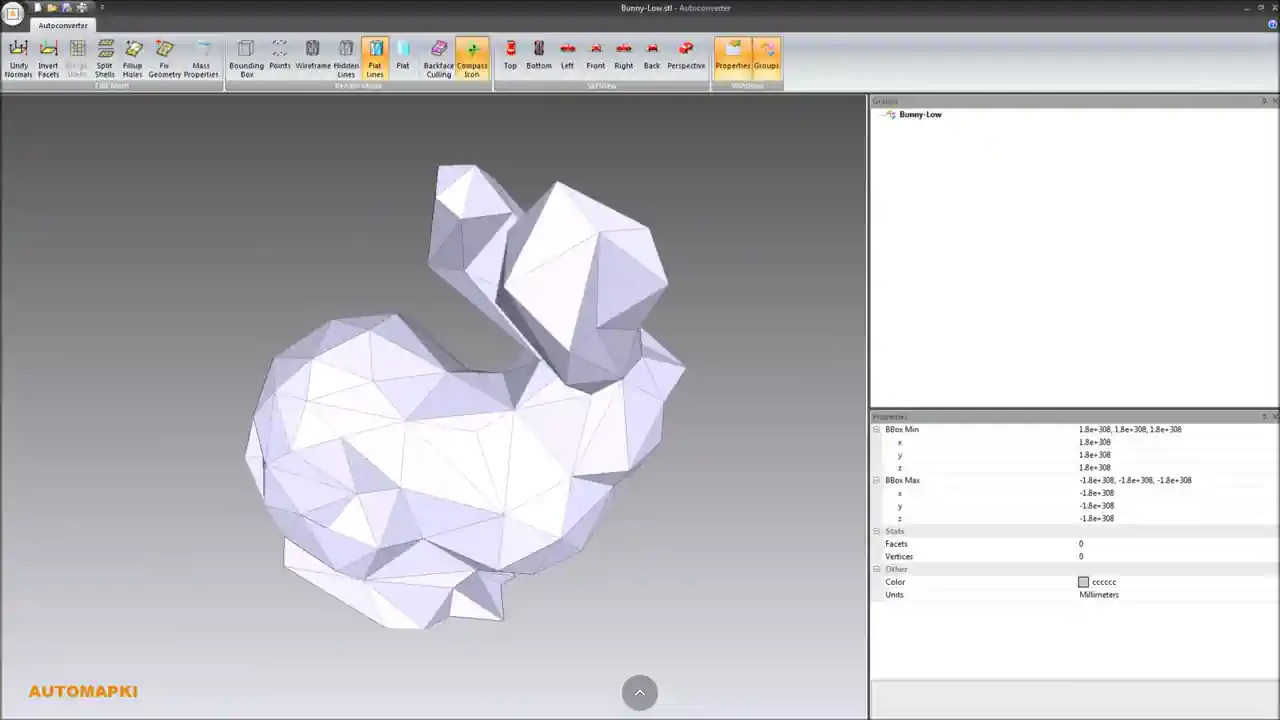
Download Autoshaper from our website and follow the setup wizard to complete installation on your Windows system. Once installed, launch Autoshaper from the Windows Start menu. No additional plugins or CAD software required.
📂 Open Your STL File and Set Surface Quality
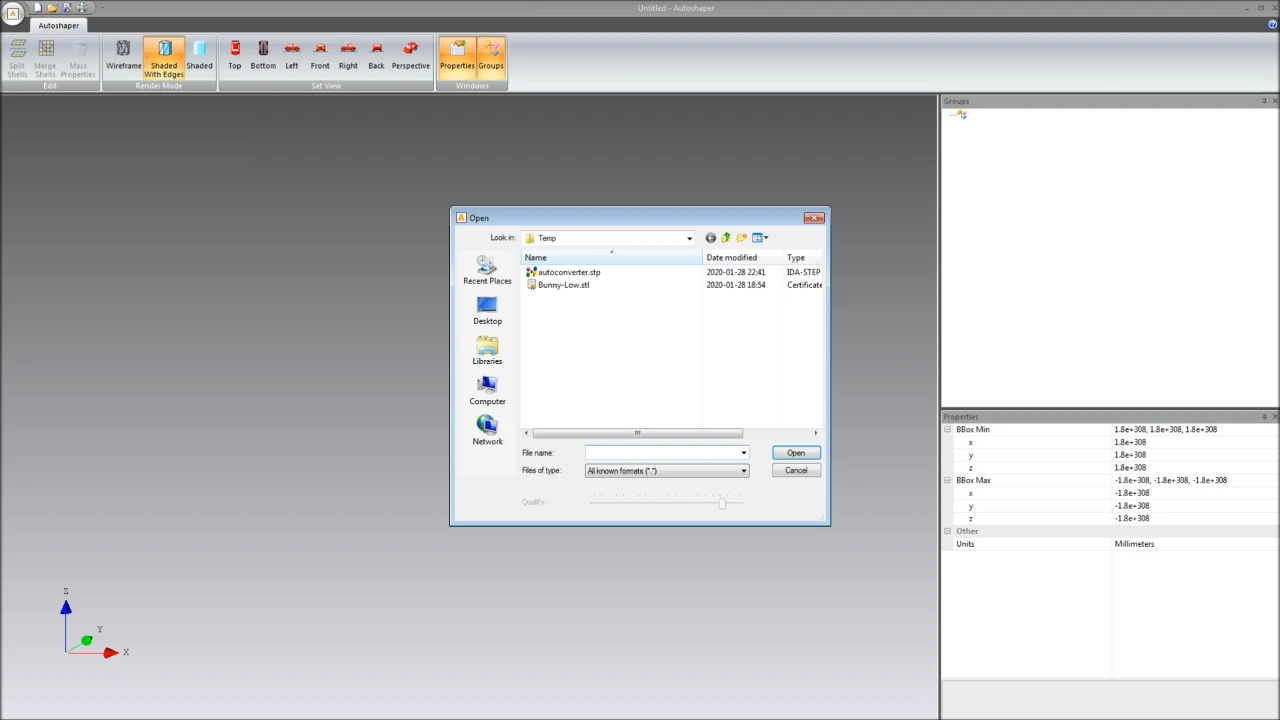
Click Open… to load your STL file into Autoshaper. Before starting the conversion, choose your preferred surface quality level - this controls how closely the reconstructed NURBS surfaces match the original mesh geometry. Higher quality settings produce smoother, more accurate solid bodies, and are recommended for engineering, reverse engineering, and precision manufacturing workflows.
🔄 Convert STL Mesh to Solid Model
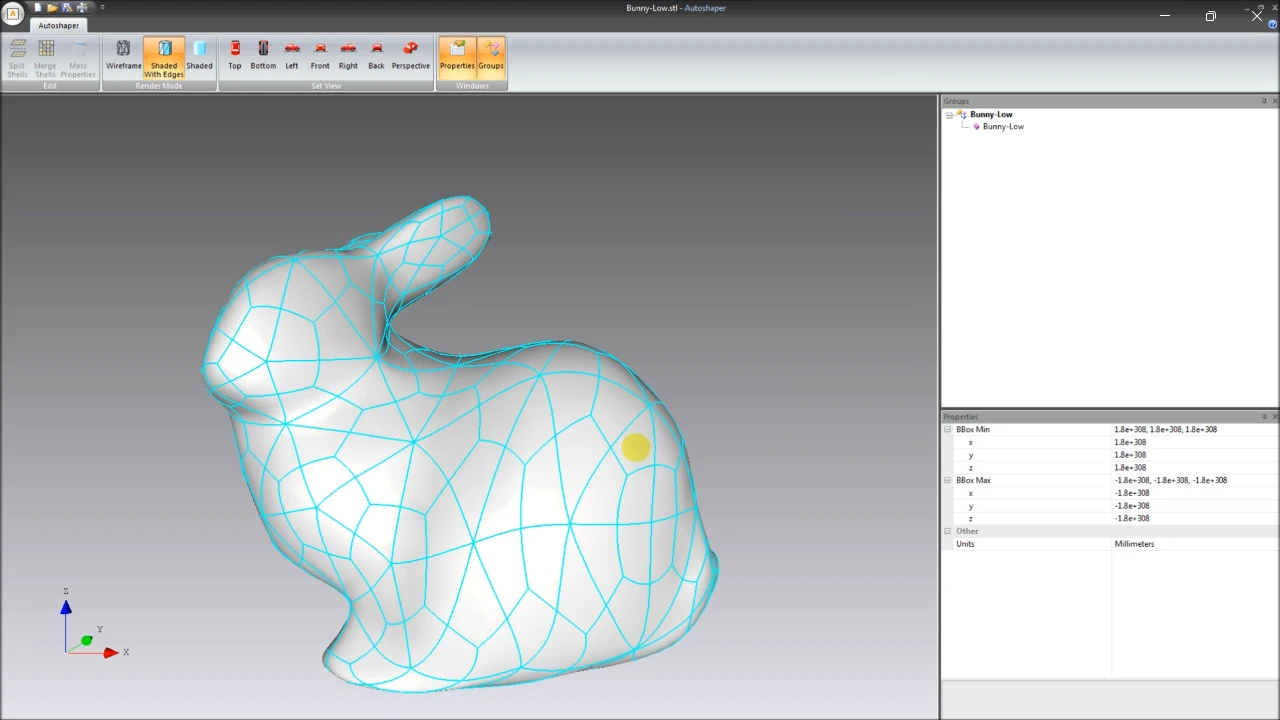
Click OK to begin the automatic conversion. Autoshaper analyzes the STL mesh geometry and applies automatic NURBS surface fitting to reconstruct it as a clean, smooth solid body. No manual surface patching or geometry cleanup required - the process is fully automated and produces a continuous solid ready for CAD use.
💾 Export Your Solid Model
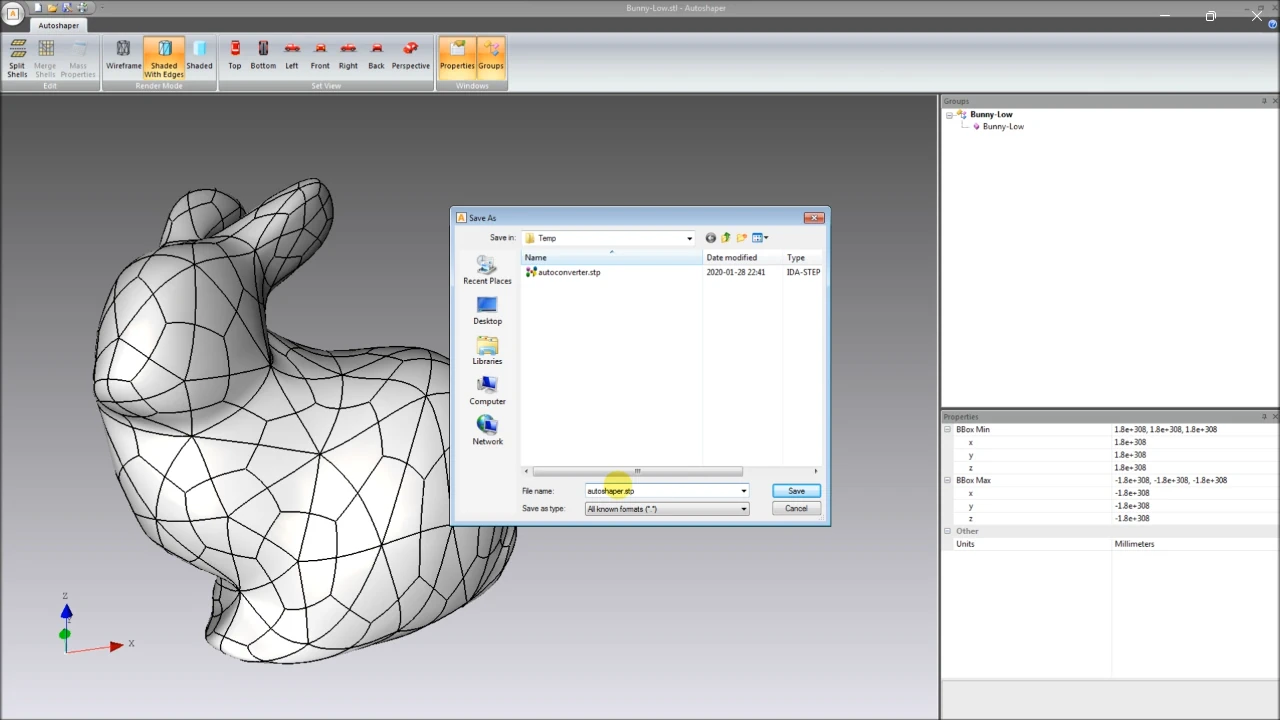
Once conversion is complete, save your solid model in the format that best suits your downstream workflow:
- STEP / STP - the universal standard for CAD data exchange, compatible with virtually all professional CAD platforms
- IGES / IGS- widely supported in legacy CAD, CAM, and engineering analysis systems
- 3DM - native Rhinoceros 3D format, ideal for further NURBS modeling and surface refinement
Frequently Asked Questions
-
Why can't I edit an STL file directly in CAD software?
STL files store geometry as a mesh of flat triangular faces - they contain no surface curvature, feature definitions, or parametric data. Professional CAD platforms like SolidWorks, CATIA, or Rhino are built around NURBS-based solid geometry. Converting STL to STEP or IGES bridges this gap, giving you a solid body that CAD tools can edit, analyze, and manufacture from.
-
What is NURBS surface fitting and why does it matter?
NURBS (Non-Uniform Rational B-Splines) are mathematically smooth curves and surfaces used in professional CAD. Autoshaper's automatic NURBS surface fitting reconstructs your STL mesh as smooth, continuous surfaces - eliminating the flat facets of the original mesh and producing a solid body suitable for precision engineering workflows.
-
What surface quality setting should I use?
For engineering, reverse engineering, and manufacturing use, choose the highest quality setting to maximize surface accuracy. For concept modeling, visualization, or early-stage design, a medium setting balances accuracy with processing speed and output file size.
-
Can I convert STL files from 3D scanners to STEP?
Yes. STL is the most common output format from 3D scanners, and converting scan data to STEP is one of the primary use cases for Autoshaper. The NURBS reconstruction process smooths out scan noise and produces a clean solid model ready for CAD editing and engineering analysis.
-
What's the difference between STL to STEP and STL to IGES?
Both STEP and IGES are solid model exchange formats compatible with professional CAD software. STEP (ISO 10303) is the modern standard and is preferred for most workflows. IGES is an older format with broader compatibility in legacy CAD and CAM systems. Both are fully supported by Autoshaper.
-
Can I use the converted solid model for 3D printing?
The converted STEP or IGES file is primarily intended for CAD editing and engineering analysis rather than direct 3D printing - though you can re-export to STL from your CAD platform after editing if needed. The 3DM export is ideal for further surface refinement in Rhinoceros before any downstream use.
Summary
Converting an STL mesh into an editable solid model is a core requirement for reverse engineering, product design, and manufacturing workflows - and Autoshaper makes it fully automatic. Load your STL file, set your surface quality, and export a clean NURBS-based solid in STEP, IGES, or 3DM format in just four steps.
No manual surface reconstruction. No geometry cleanup. No CAD expertise required.
👉 Download Autoshaper and convert your STL files to solid models today.